
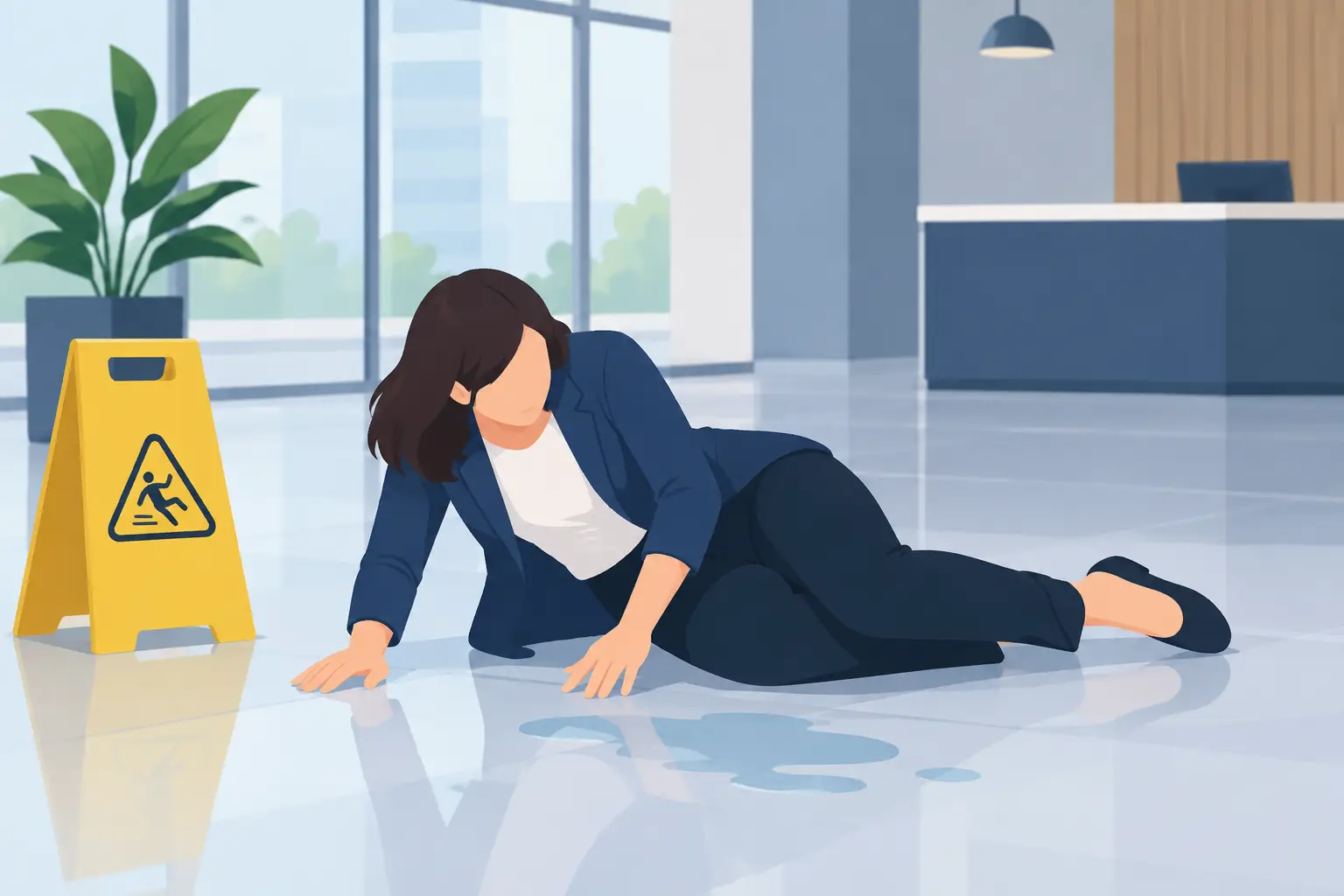
A fall on someone else’s property can leave you facing far more than a bruised knee or a missed day of work. A broken hip, spinal injury, traumatic brain injury, or disabling back injury can change how you earn a living and care for your family. Premises liability law may allow an injured person to seek compensation when a dangerous property condition caused the harm and the responsible party failed to address it.
The hard part is that property owners, landlords, businesses, and their insurance companies often move quickly to deny responsibility. They may claim the condition was obvious, that they did not know about it, or that you were somehow at fault. Those arguments do not end the case. They are the beginning of an investigation.
What Is Premises Liability?
Premises liability is the area of personal injury law that holds property owners and others responsible when unsafe conditions on property cause injuries. Depending on the location and circumstances, responsibility may extend beyond the titled owner to a commercial tenant, property manager, maintenance company, contractor, or another party with control over the area.
These claims arise in places people use every day: apartment buildings, supermarkets, restaurants, office towers, construction sites, parking lots, hotels, sidewalks, stairwells, and private homes. The property does not need to be visibly run-down for a dangerous condition to exist. A polished lobby floor without adequate warning, a loose handrail in a well-kept building, or poor lighting in a parking garage can create a serious risk.
In New York and New Jersey, the facts matter. A successful claim generally requires proof that a dangerous condition existed, that the responsible party created it or knew or should have known about it, and that the condition caused your injuries. The law is fact-specific, which is why early evidence can make a decisive difference.
Dangerous Conditions That May Support a Claim
Slip-and-fall cases get the most attention, but premises cases involve much more than spills on floors. Serious injuries may result from broken steps, uneven pavement, defective elevators, falling ceiling material, inadequate security, exposed wiring, icy walkways, unstable shelving, loose carpeting, or unsafe construction conditions.
For example, a grocery store may be responsible if employees ignored a recurring leak that left water on an aisle floor. A landlord may face liability when repeated complaints about a broken stair or handrail go unanswered. A restaurant or bar may have questions to answer after a patron falls in a dimly lit area with an unmarked change in floor level.
Not every fall creates a viable case. A property owner is not automatically liable simply because someone was injured on the property. The question is whether there was an unreasonable hazard and whether the party responsible for the area acted reasonably under the circumstances. Weather-related cases, for instance, can depend on when the storm ended, whether ice accumulated because of a drainage problem, and how much time the owner had to inspect and clear the area.
Notice Is Often the Central Issue
In many premises liability cases, notice is the battleground. Actual notice means the owner or manager knew about the condition. Constructive notice means the condition existed long enough, or was visible enough, that a reasonable inspection should have found it.
Security footage can be critical. Video may show how long a spill was present, whether employees walked past it, or whether another person reported the danger before the accident. Inspection records, cleaning logs, maintenance requests, prior incident reports, photographs, and witness statements can also expose what the responsible party knew and when they knew it.
That evidence can disappear quickly. Some businesses routinely overwrite surveillance footage within days. A repair may be made immediately after an accident, making it harder to document the condition that hurt you. Prompt legal action can help preserve the evidence before the insurer controls the narrative.
What to Do After a Fall or Property Injury
Your health comes first. Seek medical care promptly, even if you believe you can push through the pain. Adrenaline can mask the seriousness of an injury, and delays in treatment give insurers an opening to argue that your condition was unrelated or less severe than you claim.
If you are able, report the incident to the manager, owner, superintendent, or security staff. Ask that an incident report be created, but do not assume the report will tell the full story. Take photographs of the hazard, the surrounding area, lighting, warning signs, and your injuries. Get names and contact information for witnesses. Keep the shoes and clothing you wore, especially if they were affected by water, debris, or a substance on the floor.
Avoid giving a recorded statement to an insurance adjuster before understanding your rights. Adjusters may sound sympathetic while asking questions designed to reduce or defeat a claim. They may ask whether you saw the hazard, whether you were looking at your phone, or whether you have had prior injuries. Honest answers matter, but so does having someone protect you from misleading or incomplete framing.
Who Can Be Held Responsible?
Liability is not always limited to one person or business. A commercial property may involve a building owner, a tenant operating the business, a management company, a janitorial service, and a snow-removal contractor. Each may have separate duties created by contracts, leases, and the degree of control they exercised over the dangerous area.
That complexity matters in high-value cases. A severely injured person may need extensive medical treatment, rehabilitation, home assistance, and years of lost earnings. Identifying every responsible party and every available insurance policy can be essential to pursuing full compensation.
Public property creates additional complications. A fall on a city sidewalk, in a public building, or at a transit location may trigger special notice requirements and shorter deadlines. Waiting to see whether the pain improves can be costly when a government entity may be involved. A lawyer should evaluate those facts immediately.
Compensation in a Premises Liability Case
Compensation should reflect the full impact of the injury, not merely the first emergency room bill. Depending on the evidence, a claim may seek payment for past and future medical care, lost income, reduced earning capacity, physical pain, emotional suffering, rehabilitation, and necessary changes to daily life.
For families, the consequences can be especially heavy when an injured parent, spouse, or provider cannot return to work. A serious fall can force painful choices about rent, child care, transportation, and treatment. The law cannot erase that disruption, but a properly developed claim can provide the financial support needed to move forward.
Insurance companies often make early settlement offers before the full medical picture is known. An offer may appear meaningful when bills are arriving and income has stopped. But accepting too soon can leave an injured person responsible for future treatment and losses that were never accounted for. The right decision depends on the diagnosis, prognosis, available coverage, and strength of the liability evidence.
Why Serious Premises Cases Require Resources
Property injury claims are rarely won by simply submitting medical bills and demanding payment. Serious cases may require safety experts, engineers, building code analysis, accident reconstruction, medical specialists, vocational experts, and economists. The defense will often hire its own experts to argue that the condition was safe, temporary, or unrelated to the injury.
The Cakani Law Firm, P.C. focuses on personal injury litigation and has recovered more than $300 million for injured clients and their families. The firm takes on complex cases that demand investigation, expert support, and the willingness to confront powerful insurers and property interests. There are no attorney fees unless there is a recovery.
A fall should not be dismissed as “just an accident” before the facts are examined. If an unsafe property condition disrupted your life or took someone you love, preserve what you can, get the medical care you need, and seek a legal evaluation while the evidence is still within reach.

