
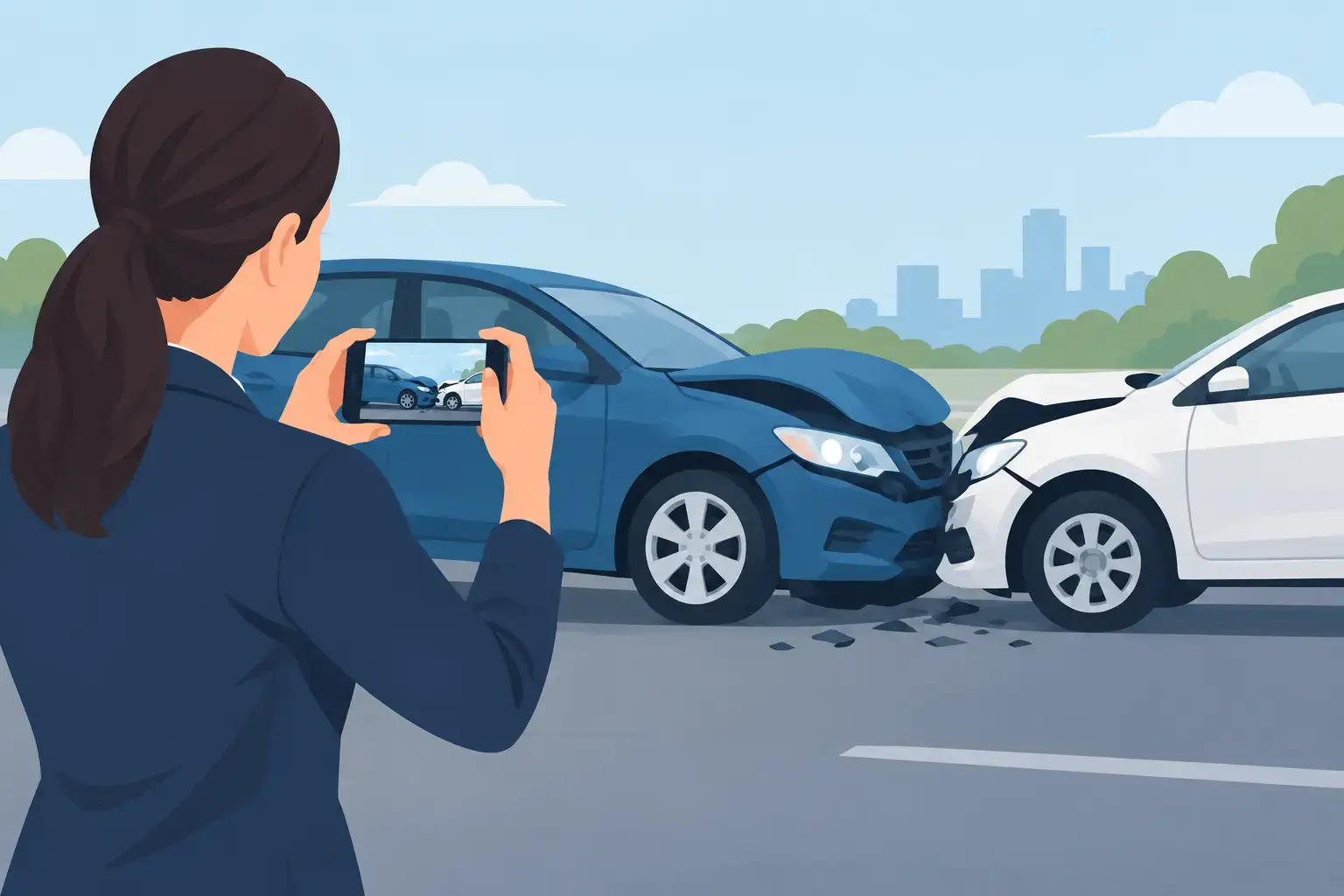
A serious crash creates two emergencies at once: your medical emergency and the evidence emergency. The wreckage is cleared, vehicles are repaired, surveillance video is overwritten, and witnesses return to their lives. Knowing how to preserve crash evidence can protect the facts before an insurance company gets the chance to frame them without the full picture.
Your first obligation is always safety and medical care. Do not remain in traffic to take photos. Do not argue with the other driver, a trucking company representative, or an insurer at the scene. But if you can safely act – or ask someone you trust to help – the steps you take in the first hours and days may become critical evidence in a New York or New Jersey injury claim.
Start at the Scene, but Do Not Put Yourself at Risk
If police respond, make sure you tell the officer what happened as clearly as you can. Point out injuries, vehicle damage, debris, skid marks, a malfunctioning traffic signal, or any conditions that contributed to the collision. Ask how to obtain the police report later, but do not assume that report will capture every important fact. Officers work under pressure, and a report can contain errors or leave out information.
Photos and video can fill those gaps. If it is safe, document the overall scene before vehicles are moved. Then capture closer images of vehicle positions, damage, license plates, road markings, traffic lights, weather, broken glass, debris, tire marks, visible injuries, and anything that may explain why the crash happened.
Use wide shots to show context and close-ups to preserve detail. A photograph of a damaged bumper matters, but a wider photo showing that bumper, the intersection, and a blocked stop sign can be far more powerful. Do not edit, filter, crop, or post the images online. Keep the original files, which may contain date, time, and location information.
If you cannot take photographs because you are badly hurt, ask a passenger, family member, friend, or witness to do so. A serious injury should never be made worse to collect evidence.
Get Information Before Witnesses Disappear
Independent witnesses are often among the strongest sources of crash evidence. Unlike the drivers involved, they may have no personal stake in the outcome. If someone saw the collision, ask for their full name, phone number, email address, and a brief description of what they observed.
A witness may remember that a driver ran a red light, drifted across lanes, used a phone, failed to yield, or was speeding moments before impact. Their memory is freshest immediately after the crash. A short voice memo or written note made that day can help preserve details that may fade within weeks.
Do not pressure anyone to choose your side or tell them what to say. Simply preserve a way to reach them. Your attorney can later obtain a formal statement if it is appropriate.
Protect the Vehicles and Physical Evidence
Your vehicle is evidence, not just property awaiting repair. The damage pattern can help accident reconstruction experts evaluate speed, angle of impact, braking, seat belt use, airbag deployment, and the force involved. This is especially important when the other driver denies responsibility or claims your injuries could not have resulted from the collision.
Before authorizing repairs, salvage, or disposal, photograph the vehicle thoroughly and tell your insurer in writing that you want it preserved. If the vehicle is towed, find out exactly where it is stored. Keep copies of towing receipts, storage records, repair estimates, total-loss paperwork, and communications about the vehicle.
The same principle applies to damaged personal property. Preserve a broken bicycle helmet, child car seat, motorcycle gear, clothing, eyeglasses, or other items when they may help show the severity or mechanics of the impact. Do not throw away an item simply because it is unusable. Take photographs first and ask your attorney before disposing of it.
Truck and Commercial Vehicle Crashes Require Fast Action
A crash involving a tractor-trailer, delivery van, bus, rideshare vehicle, or company-owned truck demands particular urgency. Commercial carriers may possess electronic logging data, onboard camera footage, driver qualification files, maintenance records, inspection reports, GPS data, dispatch communications, and event data from the vehicle itself.
Some of that information may be kept only for a limited time. The company also has investigators and insurers working quickly to protect its interests. An injured person should not have to face that effort alone. Prompt legal action can seek to preserve records before they are overwritten, destroyed under routine policies, or made harder to obtain.
Move Quickly to Preserve Video and Digital Records
Nearby video is often gone before an injured person has even left the hospital. Businesses, apartment buildings, parking garages, schools, transit facilities, and private residences may have cameras facing an intersection or roadway. Many systems automatically record over old footage within days or weeks.
Write down every location that might have captured the crash. Think beyond the obvious corner store. Cameras may be on a bank, restaurant, construction site, bus, taxi, delivery vehicle, building entrance, or doorbell system. Make a note of the camera’s direction, address, and whether it appeared to be operating.
Do not assume a property owner must voluntarily hand footage to you. A lawyer can send a formal preservation request that identifies the event and asks the owner not to delete relevant recordings. The sooner that happens, the better.
Your own digital records matter too. Save dashcam footage immediately. Back up photos, call logs, text messages, and app records connected to the trip. If you were using a rideshare service, save trip receipts and screenshots showing the driver, route, time, and pickup and drop-off locations. Do not delete posts or messages related to the crash, even if they feel unimportant.
Document Your Injuries and Treatment From Day One
Evidence of fault is only part of a personal injury case. You must also be able to show what the crash took from you. Follow medical advice, attend appointments, and be honest with every medical provider about your symptoms and how the injury occurred.
Keep a simple recovery journal. Record pain levels, sleep problems, limitations at work, missed family events, medication side effects, and activities you can no longer do without help. You do not need dramatic language. Specific details are more credible: “Could not lift my child,” “missed three shifts,” or “woke up four times because of neck pain.”
Save medical bills, discharge instructions, prescription receipts, therapy records, work notes, and proof of lost wages. If your employer changes your duties or schedule because of the injury, keep that documentation as well. Serious injuries often develop a clearer picture over time, and complete records prevent insurers from minimizing what you have endured.
Be Careful With Insurance Companies and Social Media
You should report a crash to the appropriate insurer, but do not rush into a recorded statement or accept a quick settlement before you understand your injuries and your legal options. Insurance adjusters may sound helpful while asking questions designed to limit the value of a claim. They may also seek broad access to medical records that have nothing to do with the collision.
Stick to basic facts when reporting the crash. Do not guess about speed, fault, or the extent of your injuries. Do not sign releases, cash a settlement check, or give an opposing insurer access to your phone or social media without legal advice.
For the same reason, pause social media activity. A single photo taken out of context can be used to argue that you are less injured than your medical records show. Privacy settings are not a guarantee that a post will remain private. The safest approach is to avoid discussing the crash, your injuries, or the claim online.
When to Call a Crash Attorney
The need for legal help is especially urgent after a fatal crash, a collision involving a truck or commercial vehicle, a pedestrian or bicyclist strike, a hit-and-run, a disputed liability claim, or injuries requiring emergency care, surgery, or time away from work. It can also matter when another firm has declined the case. Complex crashes often require experts, investigators, and the resources to confront powerful insurers and defendants.
The Cakani Law Firm, P.C. represents injured people and grieving families in New York and New Jersey, pursuing the evidence needed to hold responsible parties accountable. There are no attorney fees unless we win.
If you are injured, focus first on getting the care you need. Then act before the physical proof, video, records, and witness memories that explain what happened are gone.

